
Plymouth County Arrest Log Sources
The sheriff's own archive comes closest to an official log. Its News & Records page stacks dated narratives in paginated pages. One release might name a person, an age, a residence, a charge, a bond, and the trip to Plymouth County Jail. The next says far less. That unevenness comes from format. Every item is a written news release, not a row pulled from a booking database.
Older months stay reachable, which beats a single custody snapshot for tracing a past arrest across several days. Still, the log is selective. The sheriff never claims each booking gets a release. Routine jail admissions, cases another agency handled, juvenile matters, sealed facts, and quiet incidents can all be missing from Plymouth County records.
A post date is not an arrest date. A deputy makes the arrest. Plymouth County Jail handles booking. The sheriff then writes a narrative, and a news outlet may publish its story even later. Read each timestamp by its label, and lean on the county roster when the question is current custody.
Read Plymouth County Arrest Reports
Start with the newest sheriff post and page backward. Search each narrative for the event date, the arresting agency, and any line saying the person was booked or transported. A headline date is not intake time. Sometimes the archive holds no match. Then the next source depends on whether the question is present custody, a filed criminal case, or an older Plymouth County record.
- Open the official News & Records archive and scan the dated titles near the event period.
- Open a likely post and separate its publication date from any stated incident, warrant, arrest, or booking date.
- Identify which agency supplied the narrative and note that charges and bond can change after publication.
- Check the latest county roster only for current Plymouth County Jail custody, not for a full event history.
- Use Iowa Courts Online or a targeted records request to follow the case beyond the agency story.
For a same-day custody question, the Plymouth County 24 Hour Arrests path fits better. The arrest log answers a different need. It gathers narratives across many days and paginates back to older posts, though neither source captures every Plymouth County arrest.
Note: Work from the source date outward, because a press release can be newer than the arrest and older than a later news report.
Plymouth Arrest Log Entry Fields
No fixed schema shapes the sheriff's narratives. One post may carry a charge; another skips it. The table describes what a release can contain, not a promise of every field. That flexibility helps with incident context. It also makes the archive thinner than a structured booking ledger, since the posts lead with text rather than photos.
| Possible item | How to interpret it |
|---|---|
| Publication date | When the agency posted the release, not necessarily when the arrest occurred |
| Incident narrative | The agency's account of reported events and arrest circumstances |
| Name, age, or residence | Identity details when the sheriff chooses to publish them |
| Charge or warrant | An charge or process status |
| Bond | A stated amount at publication, subject to court or custody changes |
| Booking statement | A note that a person was taken to Plymouth County Jail |
The public roster shows a different field set: date booked in, cell, name, ID number, and age. Charges never appear there. Neither does bond. Release data and photos are left out too. Pairing both official sources answers more about a Plymouth County arrest, but confirm any changing bond or charge through the clerk and court docket.
Plymouth Arrests Across Weekends
Plymouth County promises no posting schedule. Weekends, holidays, even mornings get no guarantee. Search by event range, not a presumed cycle. A Friday arrest may surface only after staff write and approve the narrative. Big news moves fast. A routine booking may get no release.
Cities in Plymouth County vary just as much. Le Mars posts monthly police activity reports instead of a live daily booking stream. Remsen and Akron offer no public arrest logs on their police pages. Then the roster may show custody at Plymouth County Jail even with no city blotter or sheriff narrative.
A weekend gap calls for a sequence. Scan several sheriff archive dates, then check roster snapshots around the likely intake, then search the court docket once a case is filed. The Plymouth County recent arrests hub lays out the official custody and booking-record limits in one place.
Plymouth Arrest Archives and Retention
The sheriff's press-release archive runs deeper than its first page. Page eight already reaches back into earlier months. That depth is not a promise of retention. Plymouth County posts no schedule saying how long booking records, roster PDFs, or booking photos stay online or in agency files.
Older items take a records request. The Plymouth County Sheriff's Office public-records custodian accepts them by phone, mail, email, or in person. Name the person, an approximate date range, the likely agency, and the exact item you want. The sheriff promises an answer in a reasonable time. A reasonable research charge may apply. No fixed booking-photo fee or firm turnaround is posted.
Iowa State Archives schedules tie retention to record type. None of them sets a Plymouth County booking schedule. Historical state-prison collections are not county jail archives either. For a court outcome, search Iowa Courts Online and contact the Plymouth County clerk. For a dated newspaper account, local archives help, though old editorial coverage cannot prove present custody.
Note: Online pagination shows that some posts persist, but Plymouth County does not guarantee that every release stays online for a set period.
Plymouth Arrest News Is Selective
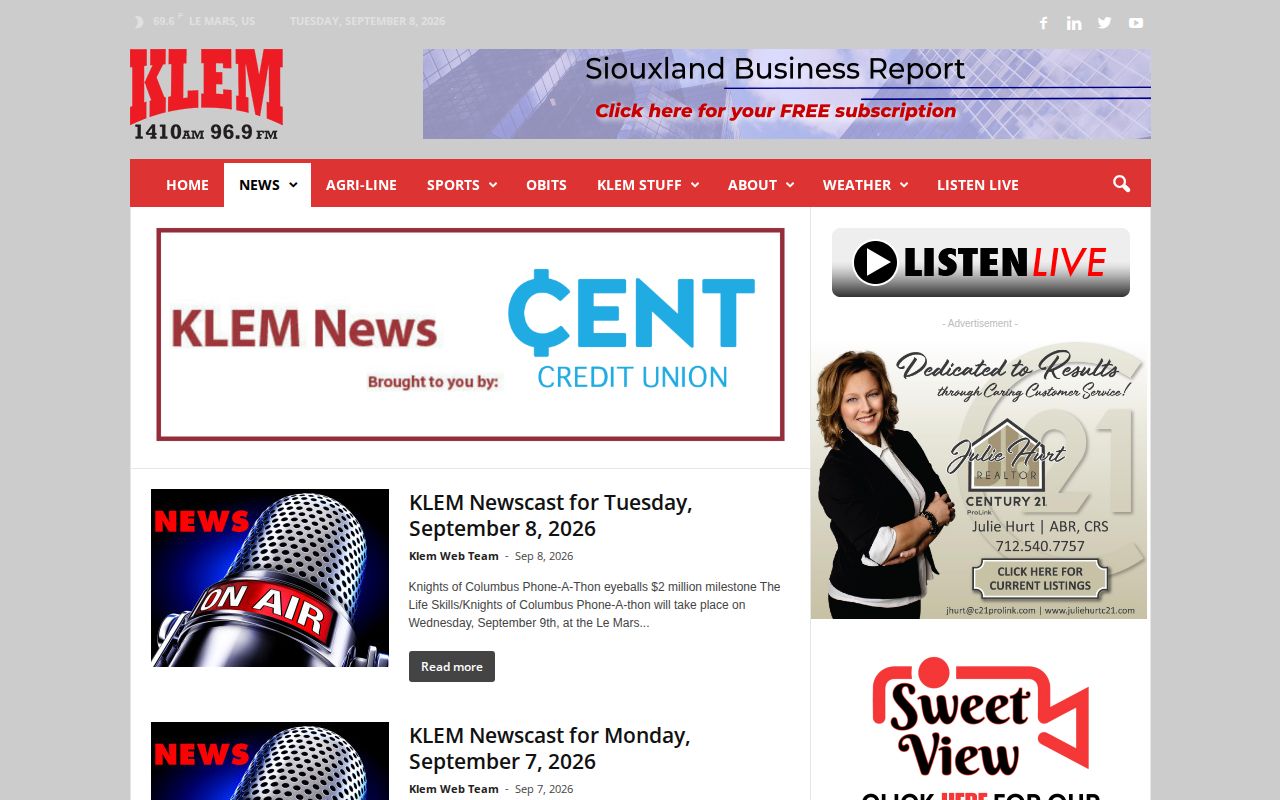
Start with official records. News coverage fills in what a roster leaves out. KLEM posts frequent local items and has covered Plymouth County arrests, but its stream is no booking list. The Hinton Times runs weekly, and the Le Mars Daily Sentinel and Remsen Bell Enterprise keep scanned archives. Each relies on police, sheriff, or court material. The KLEM News archive shows how county arrest items sit inside a wider news stream, not a formal table.
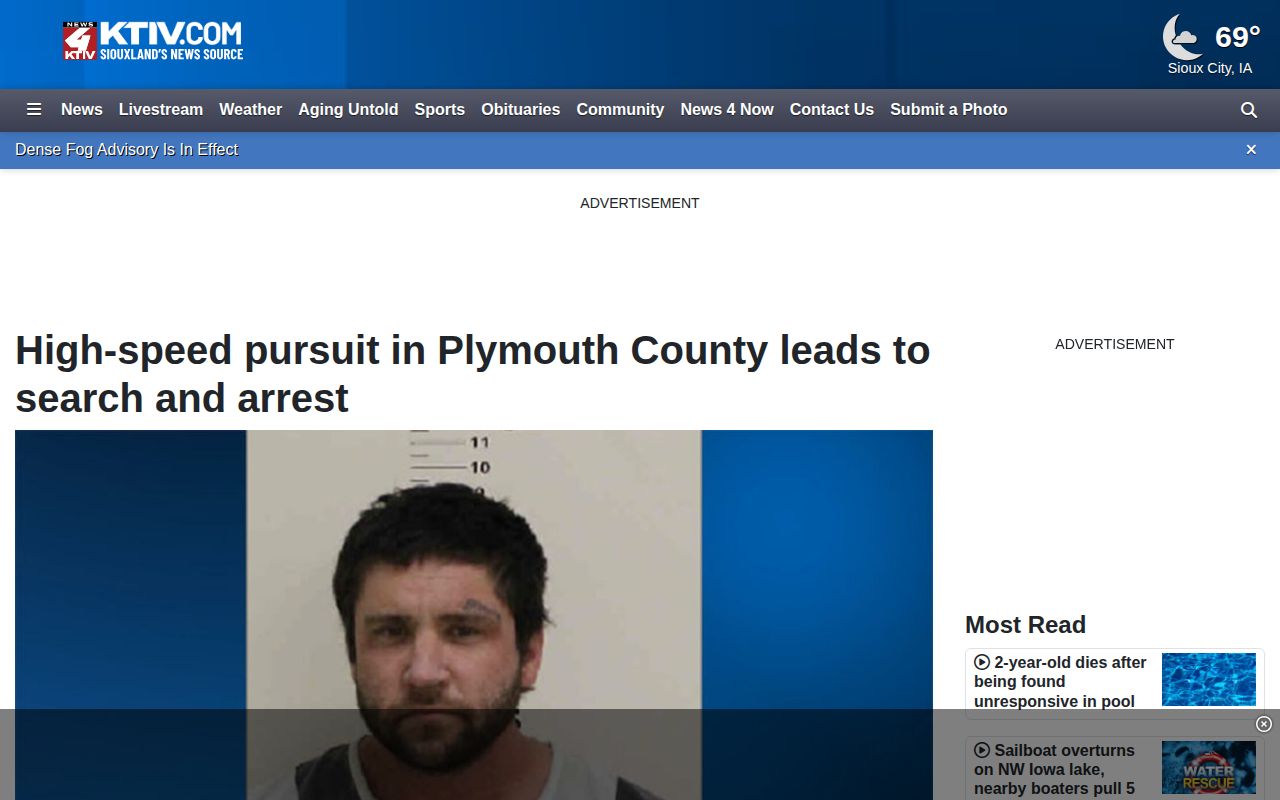
Regional television is episodic too. A story may carry a jail-supplied photo, but that is not a countywide mugshot feed. One example stands out. A KTIV Plymouth County arrest report covered a high-speed chase that ended in a search and an arrest. The sheriff and court still verify custody.
Commercial county pages are not primary arrest logs. Several large booking aggregators carry no Plymouth County section at all. One that does holds mixed, stale entries. None can say who sits in Plymouth County Jail right now. Check the dates and source lines. Then go back to the sheriff or the court record.
Roster Dates Are Not Log Dates
The roster's "Current Only" label contrasts with the multi-day narrative archive. A current roster can show an old booking date. That means the person is still held. It can also omit a recent arrest after a release or transfer. The press archive keeps an incident narrative after custody ends, but only if the sheriff issued one.
So a dated roster PDF is not a daily arrest log. It is a custody snapshot from that date. The narrative archive is not a custody roster either, even when it confirms a booking. Keep the two apart and ask your question first.
Public Record Search
Sponsored Results